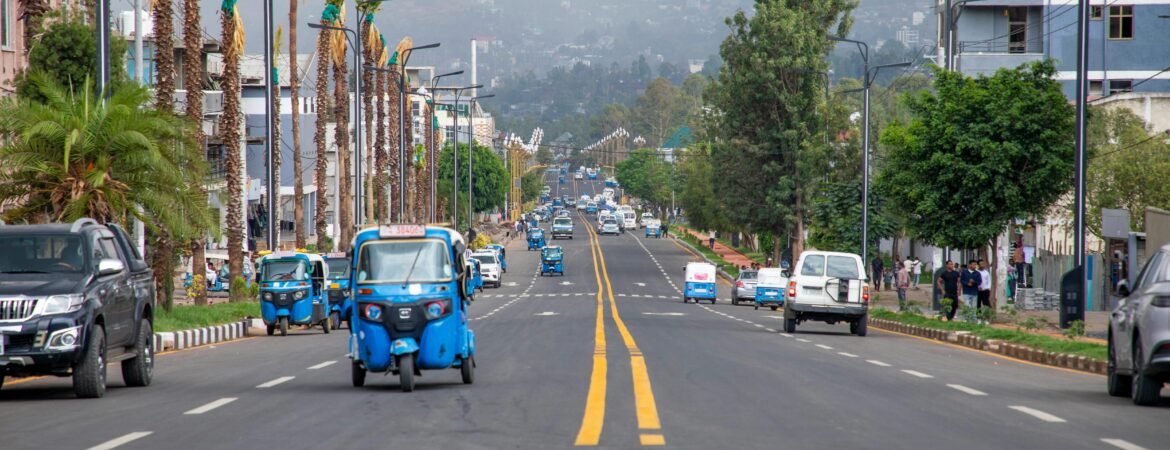
Across Africa, a quiet transformation is happening.
Some cities are becoming cleaner, more organized, and more attractive for business and tourism…
While others are struggling to keep up.
One city that keeps coming up in this conversation is Kigali.
Often ranked among Africa’s cleanest cities, Kigali didn’t get there by chance.
It was built through discipline, systems, and smart investment in waste management infrastructure.
And here’s the real question:
What can Dar es Salaam learn from this?
🌍 The Kigali Standard: Cleanliness is Not an Accident
Walk through Kigali and you’ll notice something immediately:
- No overflowing bins
- No scattered waste
- Clean streets, consistently
This didn’t happen overnight.
It’s the result of:
✔️ Strict waste policies
✔️ Public awareness
✔️ Efficient waste collection systems
✔️ The right equipment supporting the entire system
Because here’s the truth most people miss:
Even the best policies fail without the right tools.
🚨 The Reality in Dar es Salaam
Now compare that to many parts of Dar es Salaam.
The challenge isn’t effort — it’s structure.
Common issues include:
- Mixed waste in single bins
- Inconsistent collection systems
- Overflowing containers in high-traffic areas
- Manual handling where equipment should be used
And the result?
❌ Poor environmental conditions
❌ Negative business impressions
❌ Higher long-term waste management costs
💡 The Real Difference: Systems + Equipment
The gap between clean cities and struggling ones isn’t just policy.
It’s execution.
And execution depends on:
- Infrastructure
- Organization
- Equipment
For example:
In cleaner cities:
✔️ Waste is separated at source
✔️ High-capacity bins prevent overflow
✔️ Compactors reduce waste volume
✔️ Collection systems are efficient and predictable
In struggling systems:
❌ One bin fits all
❌ Waste piles up quickly
❌ No compaction = higher costs
❌ Manual processes slow everything down
⚙️ Why Equipment is the Game Changer
Let’s be direct:
You cannot build a clean city with inadequate tools.
For businesses and property managers in Dar es Salaam, this matters more than ever.
Because waste management today affects:
- Customer perception
- Regulatory compliance
- Operational efficiency
🏢 What Smart Businesses in Dar es Salaam Are Starting to Do
Forward-thinking businesses are no longer waiting for change.
They’re upgrading their own systems with:
✔️ Color-coded waste segregation bins
✔️ Industrial-grade containers
✔️ Waste compactors to reduce volume
✔️ Safe handling and transport equipment
✔️ Structured collection setups
They understand one thing:
Clean environments are not a cost — they’re a competitive advantage.
📈 The Business Case for Better Waste Management
Let’s break it down:
Better waste systems =
✔️ Lower operational costs
✔️ Fewer collection trips
✔️ Improved brand image
✔️ Increased customer trust
In a city like Dar es Salaam, where competition is growing fast…
That difference matters.
🚀 The Opportunity Ahead
Dar es Salaam is growing Fast And with growth comes pressure:
- More waste
- More businesses
- Higher expectations
The question is no longer if change will happen…
But who will adapt first.
💭 Final Thought
Cities like Kigali didn’t become clean by chance.
They invested in systems.
They invested in discipline.
And most importantly —
They invested in the right equipment.
For businesses in Dar es Salaam, the lesson is clear:
The future belongs to those who build structured, efficient waste systems today.
Where Do You Stand?
If your business still relies on basic waste handling…
You’re not just behind —
You’re exposed.
The shift doesn’t require everything at once.
Sometimes, it starts with the right equipment in the right place.

Leave A Comment