In 2026, waste management is no longer just about cleanliness — it’s about compliance, reputation, and profitability.
Yet, across Dar es Salaam, many businesses are operating under a dangerous assumption:
“As long as we dispose of waste, we’re fine.”
That’s no longer true.
Today, regulators are stricter, customers are more aware, and one small mistake in your waste handling system can cost you contracts, credibility, and serious money.
So here’s the real question:
Is your business truly compliant — or just getting by?
Let’s break it down.
✅ The 2026 Waste Management Equipment Checklist
If your business doesn’t have these in place, you’re already at risk.
1. Proper Waste Segregation Bins (Not Just One Bin)
One bin for everything? That’s outdated.
Modern compliance requires waste separation at source, including:
- General waste
- Recyclables
- Hazardous waste (where applicable)
👉 Without proper bins, your business:
- Risks regulatory penalties
- Increases disposal costs
- Misses recycling opportunities
💡 Smart businesses are investing in color-coded, labeled bin systems to stay compliant and efficient.
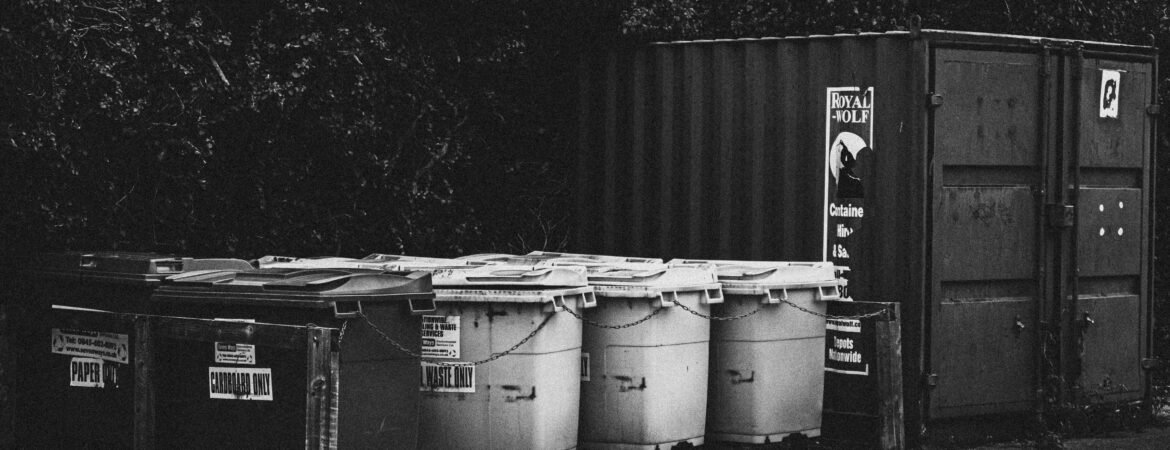
2. Industrial-Grade Waste Containers
Overflowing or broken bins send the wrong message — to both regulators and customers.
You need:
- Durable, high-capacity containers
- Leak-proof and weather-resistant designs
- Easy handling for collection teams
👉 The truth is simple:
Cheap containers cost more in the long run.
3. Waste Compaction Solutions
If your waste volume is growing, your costs are silently increasing.
Without compaction:
- You pay more for frequent collection
- You waste storage space
- Your premises look unmanaged
💡 Compactors reduce waste volume significantly, cutting costs and improving efficiency.
4. Safe Waste Handling Equipment
Your staff should not be exposed to unnecessary risk.
Essential tools include:
- Protective handling equipment
- Trolleys or skip loaders for transport
- Sealed systems for hazardous waste
👉 Poor handling systems can lead to:
- Workplace injuries
- Legal liability
- Operational inefficiencies
5. Scheduled Collection & Storage Systems
Compliance is not just about equipment — it’s about systems.
Ask yourself:
- Is your waste stored safely before collection?
- Is there a structured disposal schedule?
- Can you handle peak waste periods?
💡 The right equipment makes these systems easy and reliable.
6. Specialized Equipment for Your Industry
Different industries = different waste needs.
For example:
- Restaurants → organic waste solutions
- Hospitals → hazardous waste containment
- Construction → heavy-duty skip bins
👉 Using generic solutions in a specialized industry is a compliance risk.
⚠️ The Hidden Risk Most Businesses Ignore
Here’s what many business owners don’t realize:
Waste management is now part of your brand perception.
Customers notice:
- Overflowing bins
- Bad smells
- Poor hygiene
And in 2026, that directly affects:
- Customer trust
- Online reviews
- Business partnerships
🚀 What Smart Businesses Are Doing Differently
Leading businesses in Tanzania are shifting from:
❌ Basic waste disposal
➡️ To
✅ Structured waste management systems powered by the right equipment
They understand:
- Clean environments attract more customers
- Efficient systems reduce long-term costs
- Compliance protects business growth
💡 So… Where Does Your Business Stand?
If you’re missing even 2–3 items on this checklist, your business is already operating below modern standards.
The good news?
Fixing it doesn’t require a complete overhaul — just the right equipment and the right system.
📌 Final Thought
In 2026, waste management is no longer a background operation.
It’s a business advantage.
The difference between struggling businesses and thriving ones often comes down to one simple thing:
How well they manage what others throw away.
Need Help Assessing Your Setup?
Most businesses we work with start by upgrading just a few key elements — and the results are immediate.
If you’re unsure where to begin, it might be time to look at your system differently.


Leave A Comment