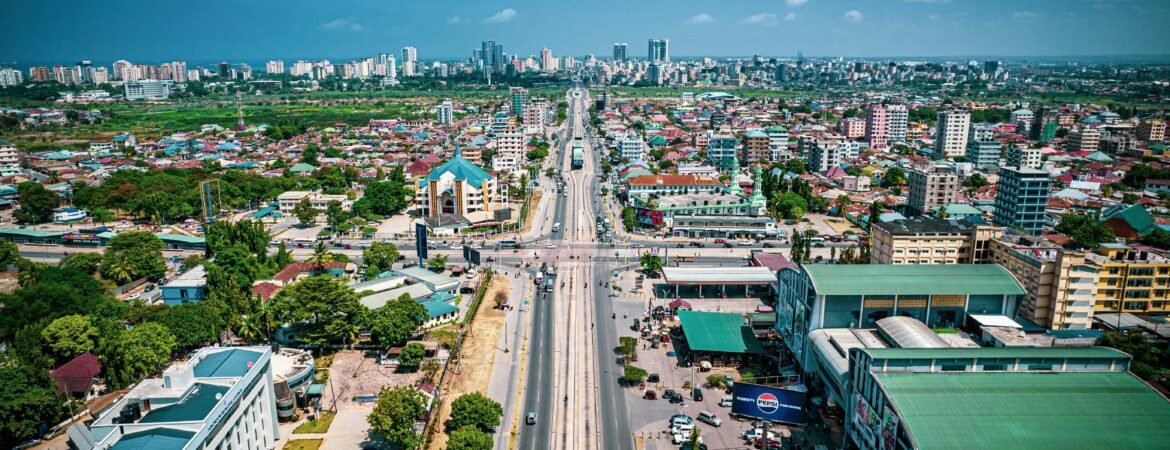
Illegal dumping has quietly become one of the most serious urban challenges facing Dar es Salaam. From roadside piles in developing neighborhoods to waste blocking drainage systems before the rainy season, the problem is visible—and growing.
But the real question is:
Who is responsible?
Is it residents? Businesses? Municipal authorities? Or failures in the waste management system itself?
Let’s break it down.
The Real Impact of Illegal Dumping in Dar
Illegal dumping is not just an eyesore. It directly contributes to:
1️⃣ Flooding During Rainy Season
Blocked drainage channels filled with plastic and solid waste worsen flooding in areas like:
- Kinondoni
- Kariakoo
- Temeke
When water cannot flow, entire neighborhoods suffer.
2️⃣ Public Health Risks
Improperly disposed waste creates breeding grounds for:
- Mosquitoes
- Rodents
- Bacteria
This increases the risk of cholera, malaria, and other preventable diseases.
3️⃣ Environmental Damage
Plastic waste eventually reaches the coastline and the Indian Ocean, damaging marine ecosystems and harming tourism.
4️⃣ Economic Consequences
Businesses located near dumping hotspots experience:
- Reduced customer traffic
- Lower property values
- Reputational damage
Illegal dumping costs Dar more than most people realize.
So… Who’s Responsible?
The truth is: Responsibility is shared.
🏠 1. Households
Some residents dump waste in open areas due to:
- Lack of awareness
- Irregular collection
- Attempting to avoid service fees
However, this short-term decision creates long-term harm.
🏢 2. Businesses
Some commercial operators:
- Avoid paying licensed waste collectors
- Dispose of construction debris improperly
- Dump industrial waste illegally
This is not only unethical—it can lead to fines and legal consequences.
🏗 3. Construction & Development Projects
Rapid urban growth in Dar has led to increasing construction waste. Without proper disposal systems, debris often ends up:
- On empty plots
- In drainage systems
- Along roadways
Construction waste management must be planned—not improvised.
🏛 4. Municipal & System Gaps
While local authorities work to manage collection systems, challenges include:
- Rapid population growth
- Infrastructure limitations
- Enforcement gaps
When waste collection systems cannot keep pace with urban expansion, illegal dumping increases.
Why Illegal Dumping Persists in Dar es Salaam
Several structural factors contribute:
- Urban population growth
- Informal settlements expansion
- Insufficient enforcement
- Limited access to reliable collection services
- Low public awareness
Without coordinated action, the issue compounds every year.
The Real Solution: Professional, Accountable Waste Management
Stopping illegal dumping requires more than blaming one group.
It requires:
✅ Reliable collection systems
✅ Licensed waste management providers
✅ Clear compliance enforcement
✅ Business accountability
✅ Public education
Professional waste management companies play a critical role in this ecosystem.
How Businesses Can Avoid Contributing to the Problem
If you operate a business in Dar es Salaam, ask yourself:
- Are you using a licensed waste collection provider?
- Do you have documented disposal records?
- Are your construction projects managing debris properly?
- Are you compliant with Tanzanian waste regulations?
Cutting corners may seem cheaper—but illegal dumping creates long-term financial and legal risk.
A Cleaner Dar Is Possible
Dar es Salaam is one of East Africa’s fastest-growing cities. With growth comes responsibility.
Illegal dumping is not inevitable. It is preventable.
By working with professional waste management providers like Zambetakis Waste Management, businesses and communities can:
- Reduce environmental harm
- Improve public health
- Prevent flooding
- Strengthen urban sustainability
- Protect brand reputation
The future of Dar depends on collective responsibility.
Call to Action
If your business operates in Dar es Salaam and wants to ensure full compliance, safe disposal, and reliable collection:
Contact Zambetakis Waste Management today for a professional waste assessment.
Let’s stop illegal dumping—before it costs Dar even more.


Leave A Comment