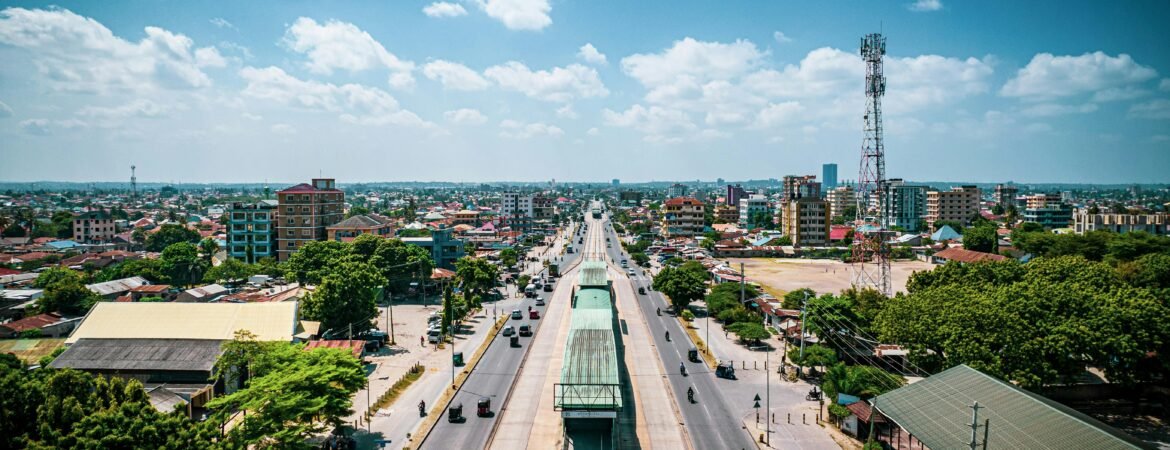
Dar es Salaam is expanding at an extraordinary pace. New residential developments are rising, industrial zones are expanding, and businesses are multiplying across the city.
Growth is a positive sign of economic momentum.
However, alongside this rapid expansion comes an often-overlooked challenge: waste management.
The real question is not whether Dar es Salaam is growing — it is whether our waste systems are growing with it.
The Reality of Rapid Urban Growth
As one of the fastest-growing urban centers in East Africa, Dar es Salaam is experiencing increasing pressure on its infrastructure. More commercial activity means more consumption — and more consumption inevitably produces more waste.
Without structured, scalable waste management systems, the consequences become visible quickly:
- Overburdened landfills
- Clogged drainage systems
- Increased flooding during rainy seasons
- Public health risks
- Environmental degradation
Urban development without corresponding waste infrastructure creates long-term economic and environmental costs.
The Hidden Cost to Businesses
Many organizations still treat waste management as a minor operational task.
In reality, it has become a strategic issue.
Poor waste practices can result in:
- Regulatory penalties
- Compliance risks
- Damage to brand reputation
- Loss of partnerships with environmentally conscious stakeholders
- Reduced investor confidence
Today’s business environment — especially for companies working with international partners — demands environmental accountability. Waste management is now part of ESG performance and corporate governance standards.
The Infrastructure Gap
As the city expands, informal dumping and inconsistent collection systems place additional strain on municipal capacity. Recyclable materials are often mixed with general waste, and hazardous materials are not always handled properly.
Without organized systems that include:
- Waste segregation at source
- Structured collection schedules
- Responsible disposal processes
- Recycling integration
the city risks falling behind its own growth.
This is not just an environmental issue. It is an economic development issue.
A Strategic Opportunity for Dar es Salaam
Despite the challenges, there is also opportunity.
If Dar es Salaam strengthens its waste management infrastructure, it can:
- Create green jobs
- Stimulate recycling industries
- Improve public health outcomes
- Enhance investor attractiveness
- Build a more sustainable urban environment
Waste should not be viewed simply as a byproduct of growth. With proper systems, it becomes part of a circular economy that supports long-term development.
Moving Forward
At Zambetakis Waste Management, we believe that responsible growth and structured waste solutions must move together.
Sustainability is no longer optional. It is foundational to resilient urban development.
As Dar es Salaam continues to grow, collaboration between businesses, service providers, and public institutions will be essential to building a cleaner, more sustainable future.
What do you believe is the most urgent waste management challenge facing Dar es Salaam today?
The conversation starts with awareness — and leads to action.


Leave A Comment